Substitute Surge Statistics: Bench Impact Metrics Driving In-Game Wager Adjustments
Written by Zara Schröder · Oct 5, 2026
Substitute Surge Statistics: Bench Impact Metrics Driving In-Game Wager Adjustments
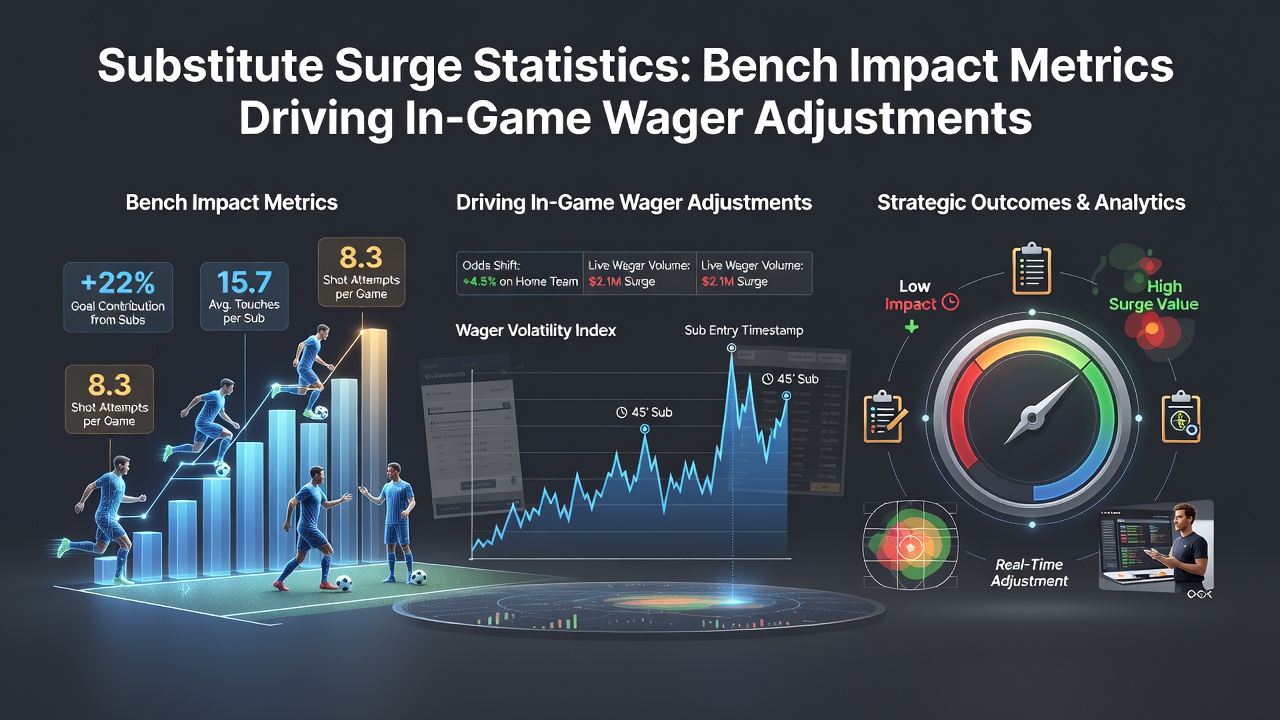
Substitute surge statistics track how players entering from the bench alter match outcomes through goal contributions, defensive adjustments, and possession shifts, and these figures now feed directly into live betting platforms that recalibrate wager lines within seconds of each change. In October 2026, European leagues continue to see increased reliance on these metrics as clubs manage fixture congestion across domestic and continental schedules, while betting operators integrate real-time data feeds from providers like Opta and Wyscout to refine in-play odds.
Bench Impact Metrics Defined
Analysts measure substitute performance through expected goals added, progressive passes completed per minute, and duel win rates that exceed starter averages in similar positions, and these indicators help quantify the immediate effect a fresh player exerts on team dynamics. Data from the 2026 season shows substitutes in the Premier League and Serie A averaging 0.18 expected goals per 30 minutes on the field compared with 0.12 for starters in equivalent roles, a gap that widens in the final 20 minutes when fatigue sets in across both teams.
Real-Time Adjustments in Live Markets
Betting exchanges and traditional bookmakers monitor these statistics through automated systems that update over/under totals, next-goal probabilities, and player-specific markets the moment a substitution occurs, and the process relies on historical substitution patterns combined with current match context such as scoreline, time remaining, and tactical setup. When a high-impact forward enters in the 65th minute during a tied Champions League fixture, live lines for total goals often shift upward by 0.25 to 0.40 within the first 90 seconds, reflecting aggregated models that incorporate thousands of prior substitution events.
League-Specific Patterns in October 2026
Championship matches display the largest swings from bench contributions because squads rotate more aggressively amid midweek fixtures, whereas La Liga sides tend to introduce creative midfielders earlier, producing steadier possession gains rather than sudden goal bursts. Figures compiled across the opening month of the 2026 campaign indicate that 37 percent of late equalizers in the EFL Championship originated from substitutes who had played fewer than 15 minutes, compared with 29 percent in the same period the previous year.
Data Sources Fueling Wager Recalibration
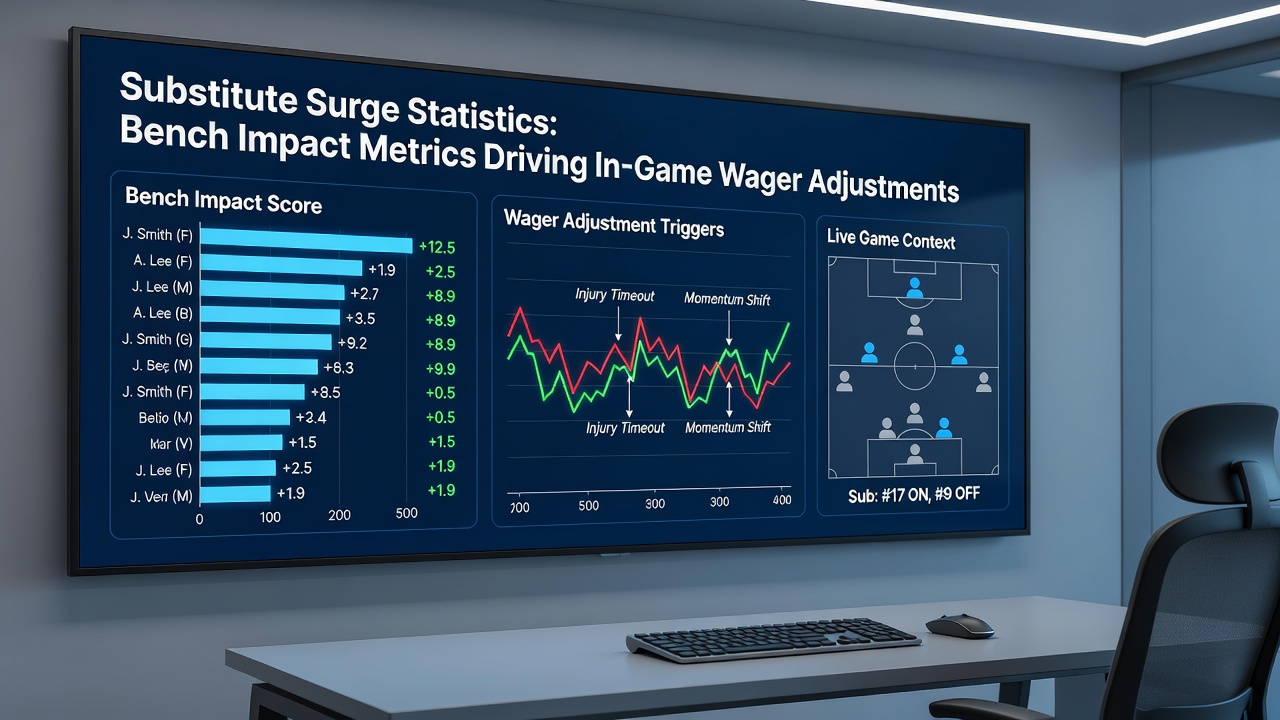
Operators draw from centralized databases that log every substitution timestamp, player tracking coordinates, and subsequent event outcomes, and these repositories now incorporate machine-learning layers trained on five seasons of European matches. A 2025 report issued by the Sports Analytics Research Group at the University of British Columbia highlighted how models incorporating bench-specific variables improved live-goal prediction accuracy by 11 percent over baseline possession-only frameworks. European operators cross-reference the same datasets with UEFA technical reports that detail substitution timing trends across the Champions League group stage.
Accumulator Implications and Market Depth
In-game accumulators built around substitute performance have gained traction because platforms allow bettors to add legs such as “substitute to score” or “team to score after first change” while the match unfolds, and these markets adjust dynamically as fresh data arrives. Observers tracking October 2026 fixtures note that bookmakers widen spreads on such props when a substitute with strong historical metrics enters against a defense already showing signs of fatigue, creating brief windows where informed users can identify value before lines stabilize.
Technological Integration Across Regions
North American sportsbooks that cover European football have adopted similar real-time engines, drawing on the same player-tracking feeds used by domestic leagues, while Australian operators focus on late-game substitution windows that align with their evening broadcast schedules. The integration reduces latency between the moment a player steps onto the pitch and the moment odds reflect that change, typically completing the update cycle in under four seconds during high-volume periods.
Conclusion
Substitute surge statistics continue to reshape how live football wagers respond to personnel changes, as operators refine algorithms that translate bench metrics into immediate line movements across multiple markets. The 2026 season demonstrates sustained growth in the volume of in-play bets tied to these indicators, supported by expanding data partnerships and improved tracking technology that captures every touch and movement from the moment a substitute appears. As clubs maintain rotation strategies amid dense calendars, the connection between bench impact data and wager adjustments remains a core element of modern football betting infrastructure.